
Best Practices for Managing Inventory in the Transport Sector

Managing inventory in a transport business is a balancing act. If you have too much stock sitting in the shed, you have cash tied up that could be spent on fuel or maintenance. If you have too little, you are looking at urgent delivery fees and unhappy customers.
In the Australian transport sector, where distances are huge and supply chains can be brittle, getting your inventory right is not just a back-office task. It is a core part of staying profitable.
Forget the Just in Case Mentality
For a long time, many Aussie businesses operated on a ‘just in case’ basis. They would over-order parts and consumables because they did not want a truck off the road for three days waiting for a shipment from Melbourne or Sydney.
The problem is that “just in case” inventory usually leads to dead stock. Parts get buried, gaskets perish, and tech becomes obsolete. The best practice now is moving toward lean inventory. Use your data to track exactly how fast you are burning through tyres, filters, and lubricants. Then set your re-order points based on real usage, not a gut feeling.
Cycle Counting Over Annual Audits
If you only count your stock once a year, you are going to find some nasty surprises. Discrepancies build up over twelve months, and by the time you spot a leak or a paperwork error, it is too late to fix the cause.
Best practice is cycle counting. This means counting a small, random section of your inventory every week. It keeps the records accurate year-round and makes the end-of-year tax time a lot less painful for everyone involved.
Visibility Across the Fleet
Inventory is not just what is on the shelves in the warehouse. For transport companies, inventory is often mobile. It is the spare parts in the service Ute, the pallets on the back of the B-double, and the equipment out at a customer site.
If your office team cannot see what the drivers have on hand, you are going to double-order. Using a simple, cloud-based system that syncs with a mobile app is the only way to go these days. If a driver uses a part in the middle of the night, it should be deducted from the stock count immediately.
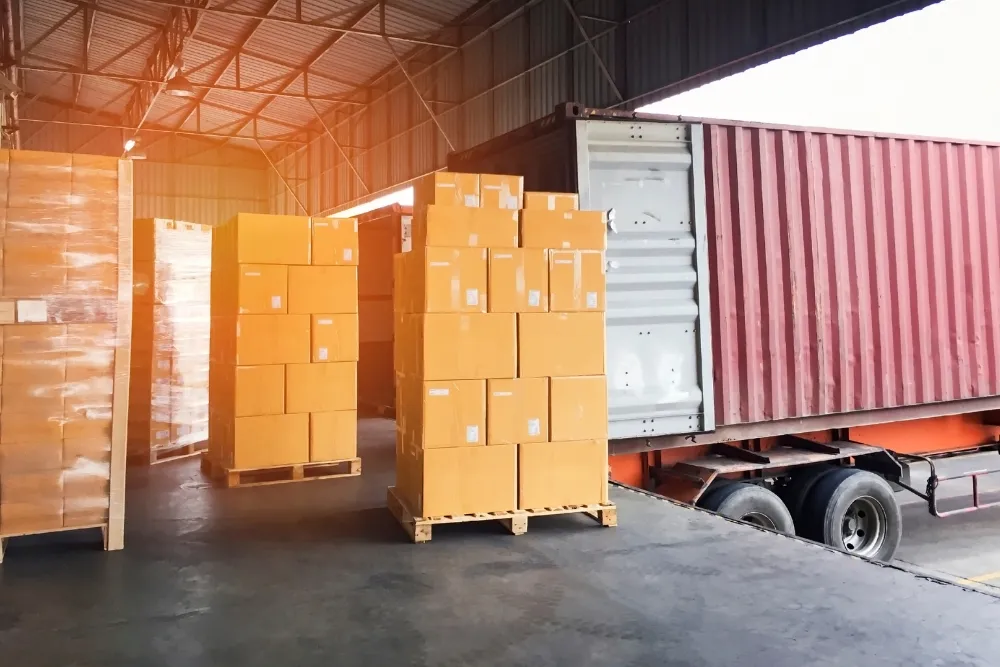
Training for the Modern Warehouse
You can have the best software in the world, but if the people moving the gear do not understand the system, it will fail. Inventory management is only as good as the person operating the forklift or the reach truck.
Proper training is the foundation here. It is about more than just knowing where things go on the rack. It is about safety and efficiency in a high-pressure environment. If you are looking to upskill your team for warehouse and yard operations, it is worth looking into Heavy Vehicle and associated classes to ensure your staff have the right licences and skills to move stock safely and legally.
The First In, First Out Rule
It sounds basic, but you would be surprised how many workshops just grab the newest box off the top of the pile. In the transport world, things like oils, coolants, and even tyres have a shelf life.
Make sure your racking is set up so the oldest stock is always at the front. It stops you from throwing away expired products that have been sitting at the back of the shelf for three years.
Watch Your Lead Times
Post-2020, we all learned that two weeks delivery can easily turn into two months. Best practice now involves keeping a closer eye on your suppliers’ lead times. If your main supplier is struggling with shipping, do not wait for your shelves to be empty before you look for a backup. Diversifying your suppliers is just as important as the inventory itself.
Good inventory management is not about having the most gear. It is about having the right gear at the right time, without turning your warehouse into a graveyard for expensive parts.