
Warehouse Efficiency in Transportation Tips for Smarter Operations
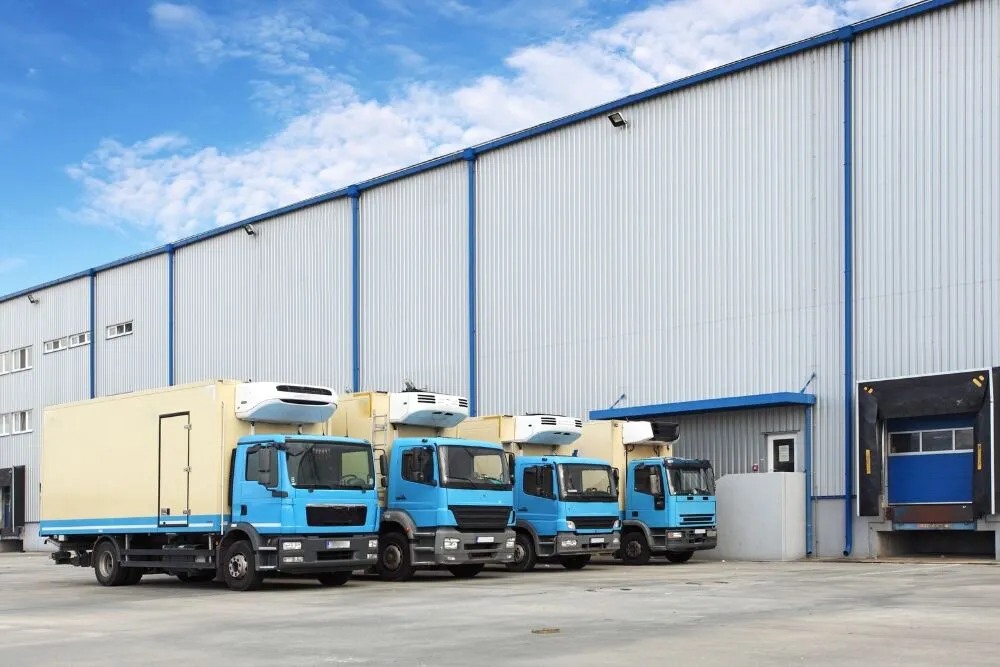
The most effective way to improve warehouse efficiency in transportation is to look closely at how goods move, how staff operate, and how systems connect throughout the facility. Every part of the process, from warehouse layout to communication between departments, contributes to smooth and reliable transport operations.
When movement slows down or communication breaks, delays and extra costs follow. Over time, these small issues reduce productivity and affect delivery schedules, leading to lower customer satisfaction and higher operating expenses.
Improving efficiency does not require a complete overhaul. Focused changes in layout, technology, and team coordination can create a safer, faster, and more organised warehouse that supports consistent transport performance.
Streamline Warehouse Layout and Design
A well-planned warehouse layout forms the foundation for efficient transportation and logistics. Poor design can cause unnecessary movement, traffic congestion, and confusion during loading or dispatch. Reviewing the current layout is the first step in identifying slow points that interrupt workflow.
Position high-turnover goods closer to dispatch areas to reduce travel distance. Keep clear pathways for forklifts and staff, and make sure storage zones are easy to access without backtracking. Good visibility and logical flow help workers move goods faster and more safely.
Safety should always be part of the design. Separate pedestrian walkways from vehicle lanes and install barriers or visual guides to prevent collisions. Adequate signage and lighting make it easier for everyone to navigate the space, reducing the chance of errors or accidents.
Integrate Technology and Automation
Technology plays a major role in improving warehouse efficiency, particularly in transport and dispatch. Digital tools and automated systems reduce manual work, cut down on errors, and help teams track goods more accurately.
A warehouse management system (WMS) is one of the most effective tools for coordinating stock movements. It gives real-time visibility into inventory levels, delivery schedules, and order progress, helping staff make informed decisions without delays. Barcode scanners, RFID tags, and mobile tracking also make it easier to locate items and update records instantly.
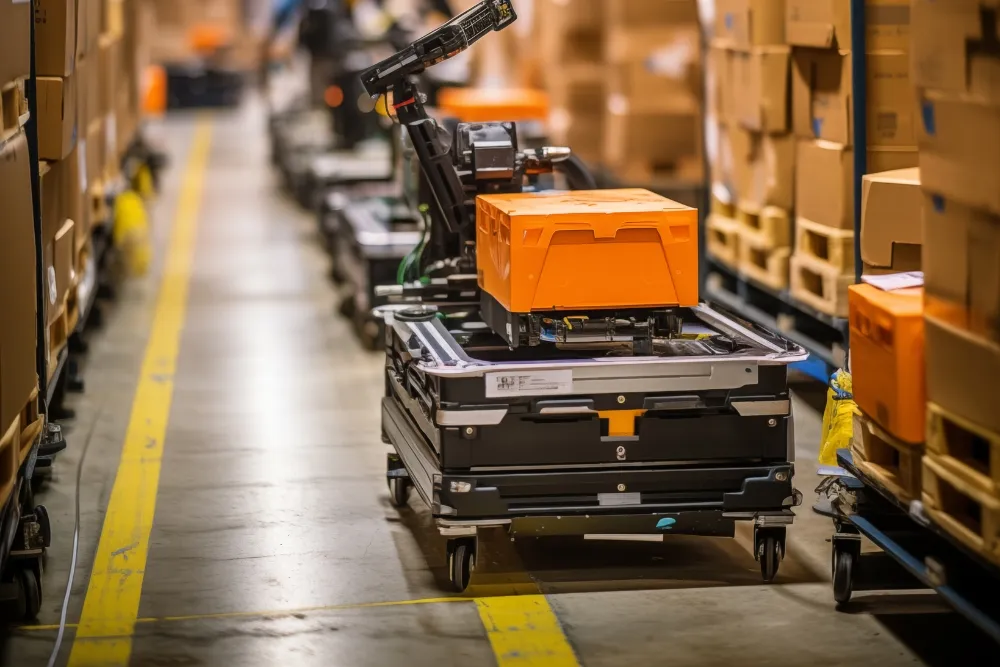
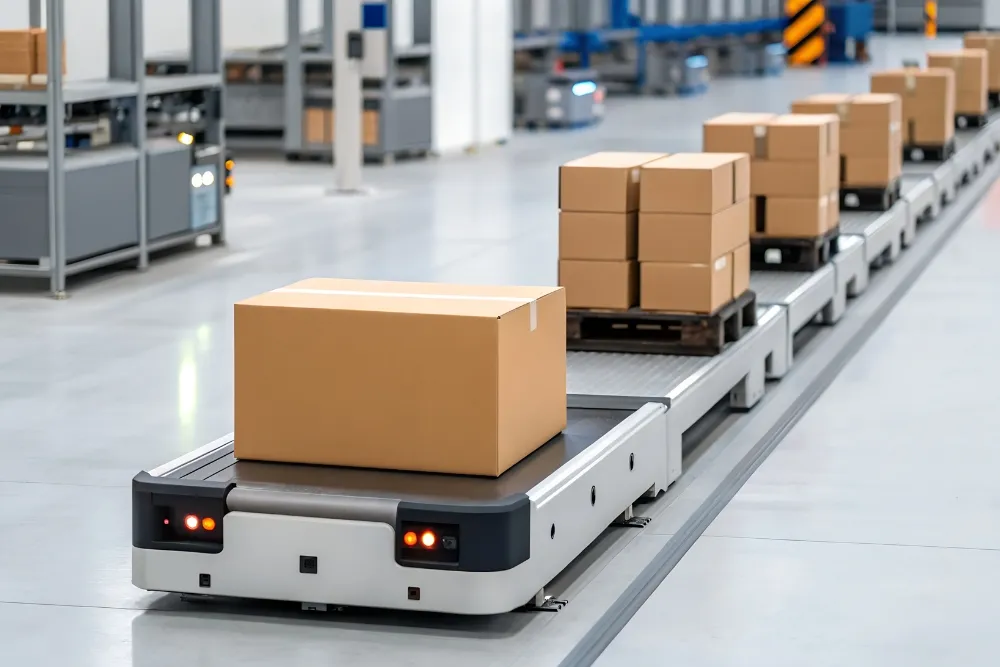
Automation can take efficiency a step further. Equipment such as conveyors, robotic pickers, and guided vehicles help maintain consistent flow and reduce handling time. When combined with data analytics, these systems identify patterns, highlight delays, and suggest areas for improvement, leading to smoother transport operations.
Improve Loading and Dispatch Processes
Efficient loading and dispatch processes are key to keeping transportation on schedule. When trucks wait too long or goods are misplaced, delivery times and operating costs are affected. Reviewing how goods are prepared, staged, and loaded can reveal small improvements that save hours each week.
Organised loading zones make a noticeable difference. Assign specific areas for incoming and outgoing shipments to avoid mix-ups and congestion. Coordinate delivery schedules to prevent overlap and keep the flow of vehicles steady throughout the day.
Standardising loading procedures also improves consistency. Equipment such as dock levellers, pallet positioners, and wheel chocks make handling faster and safer. Clear communication between warehouse and transport teams ensures that goods are ready when vehicles arrive, reducing downtime and improving turnaround efficiency.

Prioritise Safety and Staff Training
Safety and efficiency go hand in hand. A warehouse that prioritises safe practices is less likely to experience accidents, delays, or staff shortages caused by injury. Creating a secure environment also improves morale, helping staff stay focused and productive throughout the day.
Scheduled training ensures every team member understands safety procedures and traffic flow within the warehouse. Forklift operators, pickers, and loaders should know how to navigate shared spaces and follow the same system for movement and communication. Clear signage, lighting, and barriers add another layer of protection and help keep everyone alert.
Businesses looking to improve workplace safety and reduce transport risks can explore practical warehouse safety solutions. These systems, including barriers, bollards, and pedestrian walkways, are designed to protect workers and vehicles while maintaining efficient warehouse flow.
Encouraging staff to take ownership of safety builds a stronger workplace culture. When employees report potential hazards and follow proper procedures, it reduces downtime and keeps transport operations consistent and reliable.
Optimise Inventory and Stock Control
Accurate inventory management is essential for keeping transportation efficient. When stock levels are unclear or misplaced, dispatch teams spend more time locating goods, delaying shipments and disrupting delivery schedules.
A reliable warehouse management system can simplify this process. It tracks stock in real time, highlights low or excess inventory, and provides insights that support better purchasing and storage decisions. Barcode and RFID scanning also help eliminate manual errors, ensuring each product is recorded correctly during movement and dispatch.
Maintaining clear labelling and organised storage zones further reduces confusion. Grouping similar products together and assigning fixed storage locations keeps the picking process smooth and predictable. Scheduled stock checks also prevent overstocking or shortages that could slow down transport operations.
Maintain Equipment and Infrastructure
Well-maintained equipment keeps transport operations running smoothly and prevents unnecessary downtime. Even minor breakdowns in forklifts, conveyors, or loading systems can slow the entire process and increase costs.
Schedule inspections and servicing for all warehouse machinery to identify small issues before they become major problems. Keeping maintenance records helps track performance and ensures compliance with safety standards.
Infrastructure also plays a role in efficiency. Proper lighting, clean floors, and clear walkways improve visibility and reduce fatigue, helping staff work faster and safer. Checking flooring, racking, and barriers helps ensure they remain in good condition and capable of handling daily demands.
Scheduled maintenance not only protects assets but also creates a more dependable environment for staff and transport operators, leading to fewer interruptions and a more consistent workflow.
Foster Strong Communication Across Teams
Clear communication keeps warehouse and transport operations connected and efficient. Misunderstandings between departments often lead to delays, missed deliveries, or duplicated work. Building strong communication channels helps every team stay informed and aligned with transport schedules.
Use shared dashboards, digital planning tools, or messaging systems to provide real-time updates on incoming and outgoing shipments. These tools help staff track progress, respond to issues quickly, and coordinate better with drivers and logistics partners.
Team meetings and scheduled briefings can also support transparency. When everyone understands priorities, loading plans, and any changes to delivery times, workflow becomes smoother and more predictable.
Encouraging open feedback across departments helps identify recurring challenges and opportunities for improvement. A connected team communicates better, works faster, and keeps the transport process running without unnecessary delays.
Enhancing Operations for the Future
Improving warehouse efficiency in transportation is an ongoing process that depends on thoughtful planning, practical systems, and a culture of communication. Each improvement contributes to a faster, safer, and more reliable logistics environment.
Businesses that combine technology, structured training, and proactive maintenance will continue to see stronger performance and fewer disruptions. As logistics demands evolve, consistent evaluation and adaptation help ensure that every part of the warehouse operates at peak efficiency.
Logistics Industry News continues to share insights that highlight innovation and operational excellence in transport and supply chain management. Stay connected for more industry updates, practical strategies, and perspectives shaping the future of logistics in Australia.