
How to Minimise Environmental Impact in Transportation
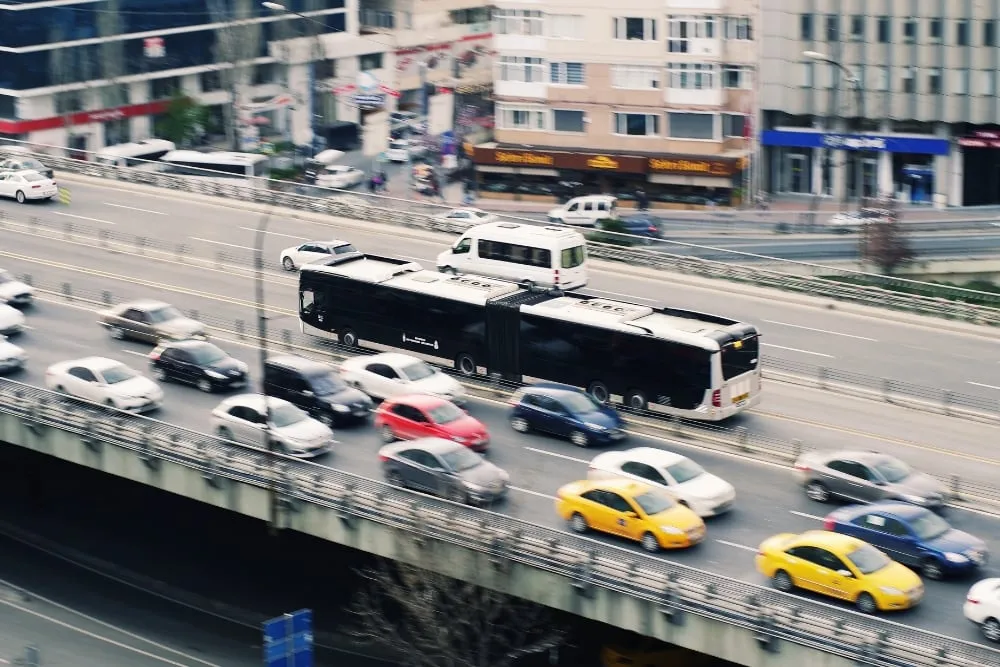
Reducing environmental impact in transportation starts with improving how fleets are measured, operated and planned. Establishing clear emissions baselines, removing unnecessary kilometres, shifting freight to lower-carbon modes and improving diesel and alternative-fuel vehicles all contribute to lowering overall impact without affecting service levels.
Environmental performance is now a core expectation across the transport sector. Freight owners, regulators and investors are paying closer attention to sustainability outcomes, and many contracts require operators to show evidence of progress each year.
As other industries reduce their impact, transport’s share of national emissions continues to grow. This places more attention on operators to adopt practical measures already proving effective across Australian fleets and supply chains.
1. Establish a Clear Emissions Baseline
Reducing transport emissions starts with accurate measurement. A clear baseline shows where fuel burn is highest and which activities offer the greatest improvement potential. Mapping emissions by mode, vehicle type, lane and customer helps operators see how different parts of the network contribute to overall impact.
Useful data sources include fuel cards, telematics, odometer readings, engine hours and supplier information. Businesses reporting under the NGER scheme can also use that data to analyse performance at fleet and lane level.
Using intensity metrics such as grams of CO₂-e per tonne-kilometre provides a more reliable view of progress than absolute totals alone. This keeps improvement visible even when freight volumes fluctuate.
2. Optimise Networks and Routes
Reducing unnecessary kilometres is one of the quickest ways to lower emissions. Network design has a major influence on fuel use, so reviewing distribution centre locations, cross-dock patterns and freight flows can reveal opportunities for more efficient movement. Modelling tools and TMS platforms can help compare hub-and-spoke networks with direct routes.
At route level, planning software can account for traffic conditions, delivery windows and vehicle requirements to avoid inefficient paths. Coordinating backloads, reducing empty running and adjusting customer cut-off times can further improve utilisation.
Off-peak or overnight deliveries may also reduce congestion exposure. Each kilometre saved directly reduces fuel consumption and emissions across the fleet.
3. Shift to Lower-Carbon Transport Modes
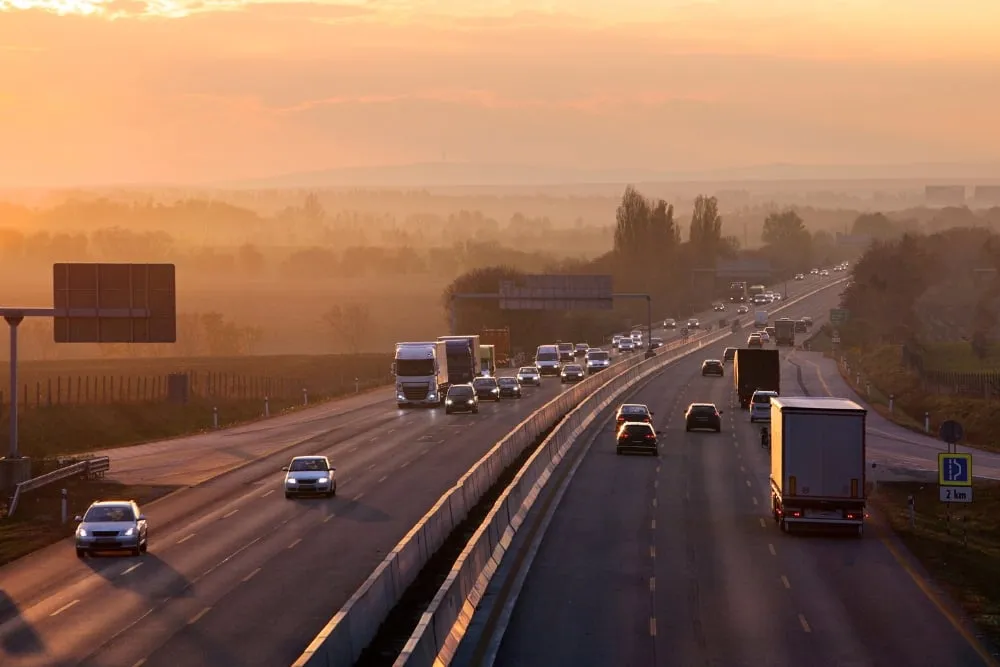
Shifting suitable freight to lower-carbon modes can deliver meaningful reductions in transport emissions. Rail provides strong efficiency advantages for long-haul and high-volume movements, especially when schedules and terminal access match operational needs. This approach helps operators lower fuel use while maintaining reliable service across major corridors.
Coastal shipping is another option for bulk or non-urgent freight and offers lower emissions per tonne-kilometre than road-based linehaul. It can support long-distance distribution tasks where transit time is less critical and capacity is consistent across port networks.
High-productivity vehicles and alternative-fuel options can also reduce overall emissions by moving more freight per trip or using cleaner energy sources. Because these shifts can be complex, many operators begin with pilot lanes to assess performance.
4. Improve Diesel Fleet Efficiency
Diesel will remain central to transport operations for many years, so improving efficiency is a practical way to reduce emissions. Newer engine standards, high-productivity combinations and low-rolling-resistance tyres can lower fuel use across a range of freight tasks.
Maintaining correct tyre pressures and keeping aerodynamic equipment in good condition also supports reliable vehicle performance. Scheduled servicing helps vehicles operate within their intended range and prevents unnecessary fuel burn.
Telematics can highlight issues such as harsh acceleration, extended idling or over-revving, giving operators clearer insight into how vehicles and drivers influence fuel use. Accredited courses from CSTT offer heavy-vehicle and safe-driving programs that support smoother driving habits and compliance across fleets. Driver training programs focused on smoother movement can further reduce fuel demand.
Operators that combine vehicle specification, maintenance and driving practices often achieve stronger efficiency outcomes.

5. Invest in Low-Emission Vehicles and Fuels
Low-emission technologies are advancing quickly, and transport operators are beginning to assess where these options can fit into their networks. Battery-electric trucks suit metro or short-haul tasks with predictable routes and access to depot charging. Hydrogen fuel-cell vehicles may support heavier or longer-distance work as local infrastructure grows and supply becomes more available.
Liquid fuels such as biodiesel and renewable diesel offer another pathway where engine compatibility and regional supply allow adoption. Some operators also trial dual-fuel or gas-powered vehicles to lower emissions on selected lanes.
Australia’s 2030 and 2050 targets will continue to influence investment planning. Running small trials now helps operators understand performance, validate duty cycles and prepare for future fleet changes.
6. Improve Loading Efficiency
Loading efficiency has a direct effect on fuel use and emissions, especially in high-volume freight operations. Using packaging that matches product dimensions helps avoid excess volumetric weight and reduces the number of transport movements required. Load-planning tools can support better cube utilisation and help operators find unused space across trailers or containers.
Standardising reusable pallets, crates and dunnage can improve handling and reduce waste across distribution networks. Working with customers to consolidate orders or adjust delivery windows may also lead to fuller loads and fewer partial movements.
These small adjustments increase payload, support lower fuel burn per unit moved and improve the overall efficiency of each trip.
7. Strengthen Sustainability Through Procurement
Procurement has a major influence on environmental outcomes when subcontracted carriers form part of the transport task. Including clear sustainability expectations in tenders helps set a baseline for carriers and encourages stronger fleet practices across the supply chain. Requirements may cover emissions intensity, fleet age, vehicle standards and alternative-fuel capability.
Telematics usage, maintenance programs and driver-development initiatives can also form part of the assessment. These elements provide visibility of fuel use and help identify behaviours or tasks that increase emissions. Requiring carriers to report progress each year allows performance to be reviewed through normal contract management.
Procurement that highlights environmental performance can support lower emissions and lift the overall quality of contracted fleets.
8. Embed Data, Reporting and Continuous Improvement
Embedding emissions data into existing transport reporting helps operators track progress and identify areas for improvement. Adding emissions KPIs to fleet dashboards or performance reviews gives managers clearer insight into how routing, loading and vehicle choice influence fuel use across the network. Regular reporting also supports broader ESG requirements for many logistics businesses.
Continuous improvement works best when trials are small and frequent. EV pilots, new routing tools or revised load plans can be tested on selected lanes before making wider changes. Each trial provides insight into operational impacts and helps refine future decisions.
Treating sustainability as a core operational function makes emissions reduction part of normal business planning rather than a reactive response.

Industry Outlook
Environmental expectations across the transport sector are increasing, and operators that act early will have an advantage as national targets and customer requirements evolve. Improvements in fleet efficiency, route design and load planning offer clear gains while longer term shifts toward cleaner vehicles and fuels continue to develop across the market.
The most effective outcomes come from combining data capability, operational changes and staged technology trials. These approaches support lower emissions and help businesses stay aligned with emerging standards. For many operators, sustainability has become part of daily planning rather than a separate initiative.
Logistics Industry News covers fleet technology, policy changes and industry trials that shape the future of low-impact transport across Australia.
FAQs
Which measures reduce transport emissions most quickly?
Network and route optimisation often deliver the fastest reductions because fewer kilometres mean lower fuel use.
Are electric trucks viable for Australian freight tasks?
They are viable for metro and short-haul work with predictable routes and depot charging.
Do alternative fuels reduce emissions in existing fleets?
Biodiesel and renewable diesel can reduce impact where engine compatibility and regional supply allow.
How can operators monitor driver influence on emissions?
Telematics can track idling, harsh events and speed patterns that directly affect fuel use.
Is rail always a lower-carbon option than road?
Rail generally provides lower emissions for long-haul, high-volume movements where schedules align with customer needs.