
Streamlining Cross-Docking Operations for Efficiency
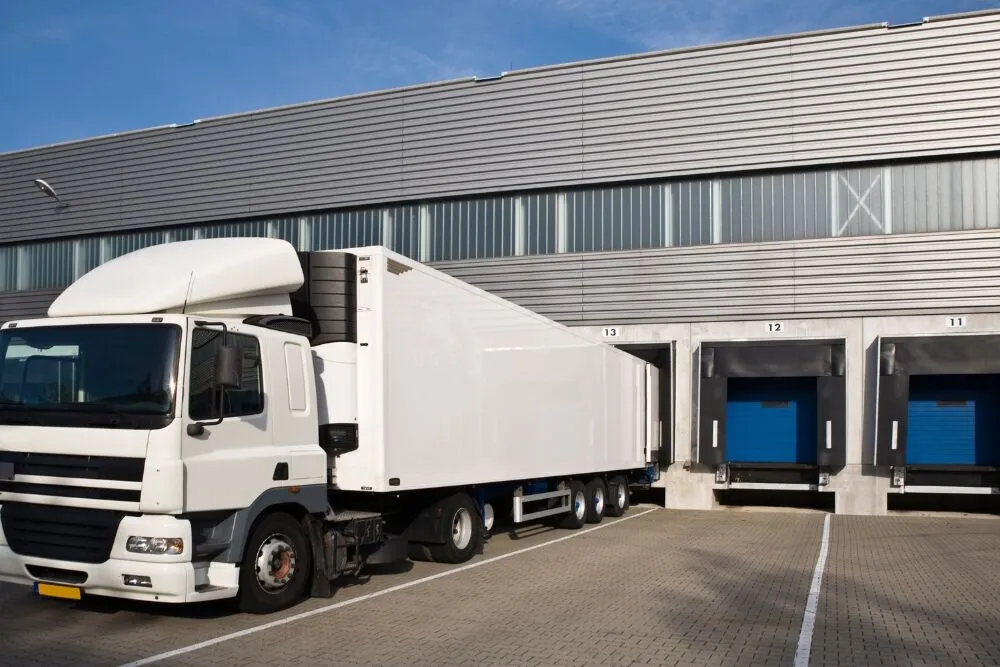
Cross-docking looks perfect on paper. You unload from an incoming truck and load directly onto an outbound one with little to no storage time in between. It cuts inventory costs and speeds up delivery.
But anyone who has worked on a busy dock floor knows the reality is often messier. It can quickly turn into a bottleneck if the timing is off by even a few minutes.
When it works, it is a thing of beauty. When it fails, you end up with a congested staging area and drivers standing around waiting for freight that should have been ready an hour ago.
Making it work requires tight discipline and a focus on a few key operational areas.
Accurate data is the fuel
You cannot cross-dock effectively if you are guessing what is on the inbound trailer. Speed relies on certainty.
Your team needs to know exactly what is arriving and when. This means Advance Shipping Notices (ASNs) are non-negotiable. If you are manually checking manifests against freight on the dock floor, you have already lost the efficiency battle.
The goal is to map the inbound stock to an outbound door before the truck even hits the bay. This requires software that talks to both your suppliers and your transport providers. If the data is lagging, the freight stops moving.
The human element matters
We talk a lot about automation and conveyor systems, but cross-docking is still heavily reliant on skilled operators.
Your forklift drivers and dock hands are making split-second decisions. They need to know how to stage freight logically, so they do not box themselves in. Speed is dangerous if the operators are not confident or competent.
Investing in proper training is often cheaper than dealing with damaged freight or injury claims. You need a crew that understands safety and efficiency are the same thing. Whether it involves refreshing forklift tickets or broader supply chain certifications, getting a provider like Chris Shilling Transport Training to help upskill your team pays off when the pressure is on. A well-trained operator moves smoother, not just faster.
Layout and traffic flow
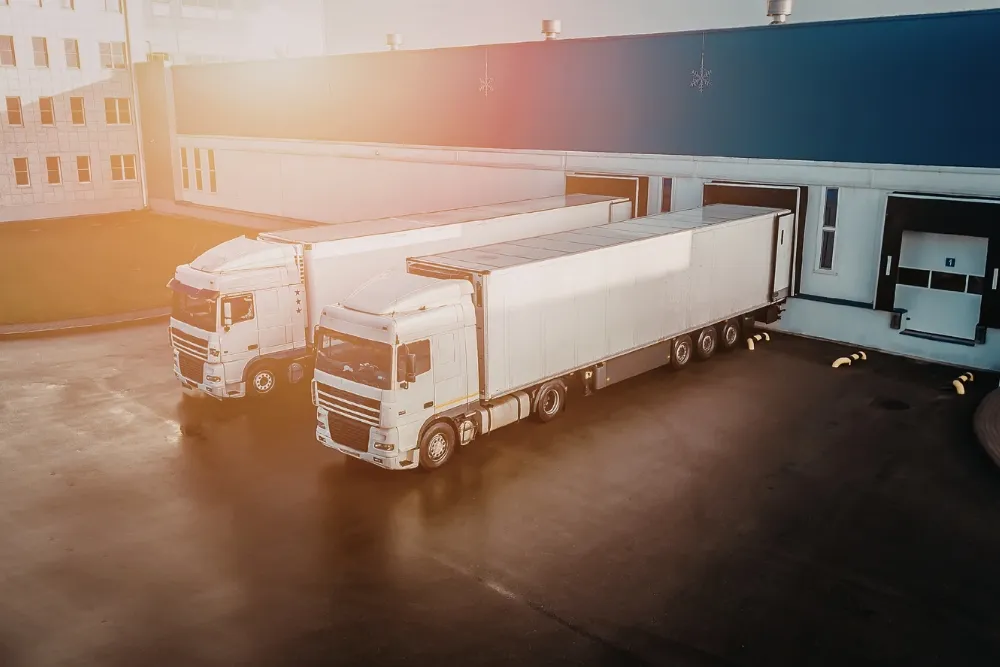
Take a hard look at your floor plan. The biggest killer of efficiency in a cross-dock operation is crossing paths.
Inbound and outbound flows should never fight for the same space. If a forklift driver must wait for another driver to pass, you are losing money.
Keep the travel distances as short as possible. High-volume lanes should be close to each other. It sounds simple, but over time, bad habits creep in and staging areas get cluttered with “problem freight” that has nowhere to go.
Be ruthless about keeping the floor clear. If stock cannot be cross docked immediately, it needs to move to a designated problem area away from the fast lanes.
Keep the communication open
Finally, talk to your carriers. Cross-docking requires them to be on time, every time.
If a supplier is consistently late or their labelling is poor, it jams up your entire afternoon. You need to have honest conversations with your partners about their performance. If they cannot stick to the schedule, they might not be the right fit for a cross-docking model.
It takes work to get right, but when you strip out the storage costs and handle freight once instead of twice, the margins look a lot better.