
The Evolution of Electric Vehicles in the Transport Industry
If you’ve spent any time on the M1 or the Sturt Highway lately, you’ve probably noticed something: the quiet hum of electric trucks is starting to replace the old diesel roar. It is happening slowly, but it is happening.
For a long time, the conversation around EVs in Australian transport was a bit of a “yeah, right” situation. People talked about range anxiety, the lack of charging stations between Hay and Nowhere, and whether a battery could handle a 20-tonne load in 40-degree heat.
But things are shifting. We’re moving past the “visionary” talk and into the “how do we make this work for the books” phase.
It’s Not Just About “Saving the Planet” Anymore
Let’s be honest: in the logistics game, the bottom line is king. Five years ago, an electric van was a PR stunt. Today, it’s increasingly a hedge against diesel price volatility.
While the upfront cost of an electric prime mover is still enough to make most owner-operators wince, the total cost of ownership (TCO) is starting to look different. Fewer moving parts means less time in the shop. No oil changes, no fuel filters, and, crucially for city delivery, regenerative braking that saves your pads while you’re crawling through Sydney CBD traffic.
The “Last Mile” is Where the Action Is
The biggest change hasn’t been in the massive road trains yet. Instead, it is happening in the “last mile” delivery sector. Companies like Australia Post and Team Global Express are already rolling out fleets of electric light trucks and vans.
Why? Because city routes are predictable. You know exactly how many kilometres that driver is doing between the depot in Chullora and the drop-offs in the inner west. You can charge them overnight when the grid is quiet. It just makes sense.
The Massive Hurdle: Charging Infrastructure
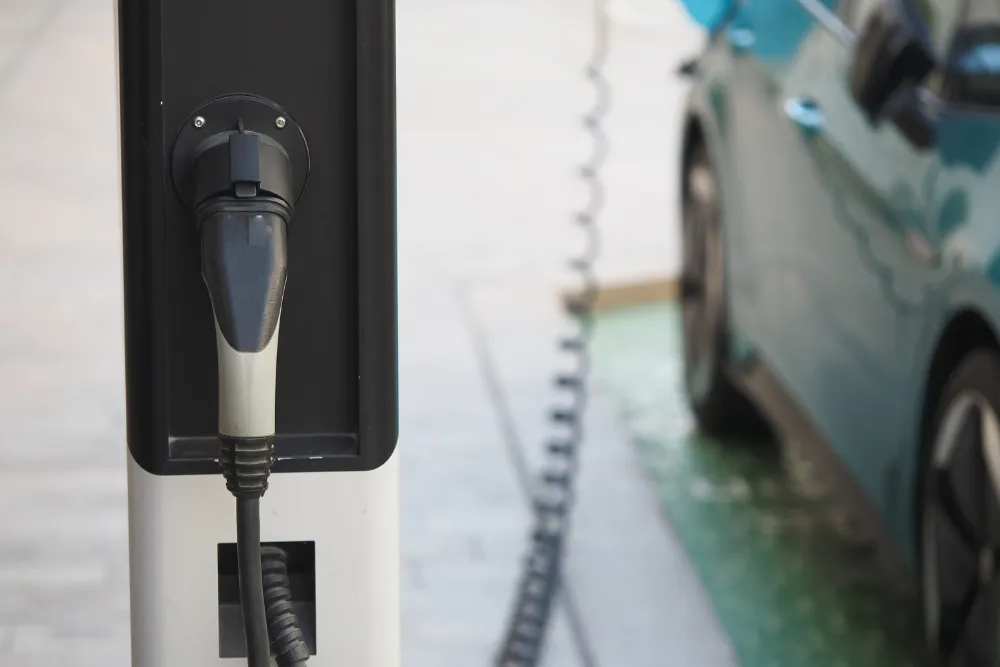
We can’t talk about EVs without talking about the “where do I plug the bloody thing in?” problem.
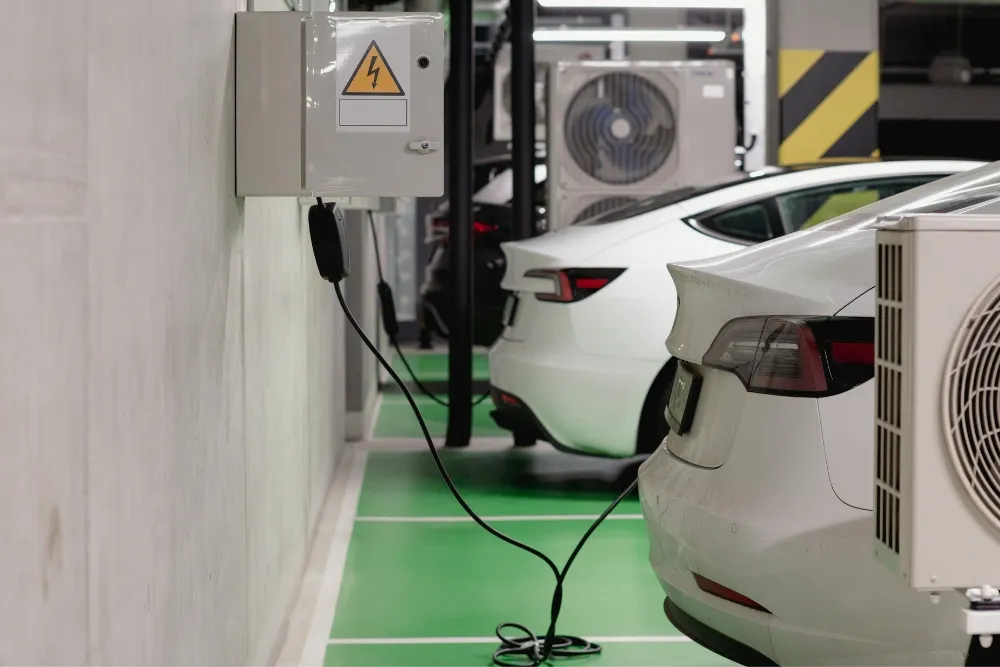
Charging a Tesla in your driveway is one thing. Charging a fleet of heavy rigids is a different beast entirely. It requires a massive upgrade to depot power grids, which is often more than the local substation was ever built to handle.
We’re seeing an evolution here too, though. “Charging as a Service” is becoming a thing. This is where third parties manage the infrastructure so transport companies can focus on moving freight instead of managing volts.
Skills and Safety: The Part People Forget
The evolution of the vehicle means an evolution of the person behind the wheel and the person under the bonnet. You can’t just hand a high-voltage battery system to someone who has only ever worked on internal combustion.
Safety is paramount. Understanding how these vehicles behave, especially in heavy vehicle recovery or maintenance, requires specific training. If you’re looking to get your team up to speed, it’s worth checking out the Heavy Vehicle and associated classes to ensure your drivers are properly licensed and prepared for the different handling characteristics of modern heavy transport.
What’s Next for Aussie Logistics?
We aren’t going to see diesel disappear overnight. For long-haul runs across the Nullarbor, hydrogen or hybrid tech might still be the winner. But for metropolitan logistics, the “EV evolution” is effectively over. It’s now just the “EV reality.”
The “early adopter” phase is done. Now, it’s about being a “smart adopter.” It’s about figuring out which routes work for electric, which ones don’t, and how to train your staff to handle the change without losing their minds.
The takeaway? Don’t buy the hype, but don’t ignore the data. The tech is here, and for the first time, the math is starting to add up.