
The Impact of E-commerce Returns on Transportation Operations

The rise of e-commerce has transformed the way we shop, bringing convenience to consumers and challenges to transportation operations. One of the most significant challenges is managing e-commerce returns. As online shopping continues to grow, so does the volume of returned goods, impacting logistics and transportation companies in various ways. Let’s explore how e-commerce returns affect transportation operations and the strategies that can help mitigate these impacts.
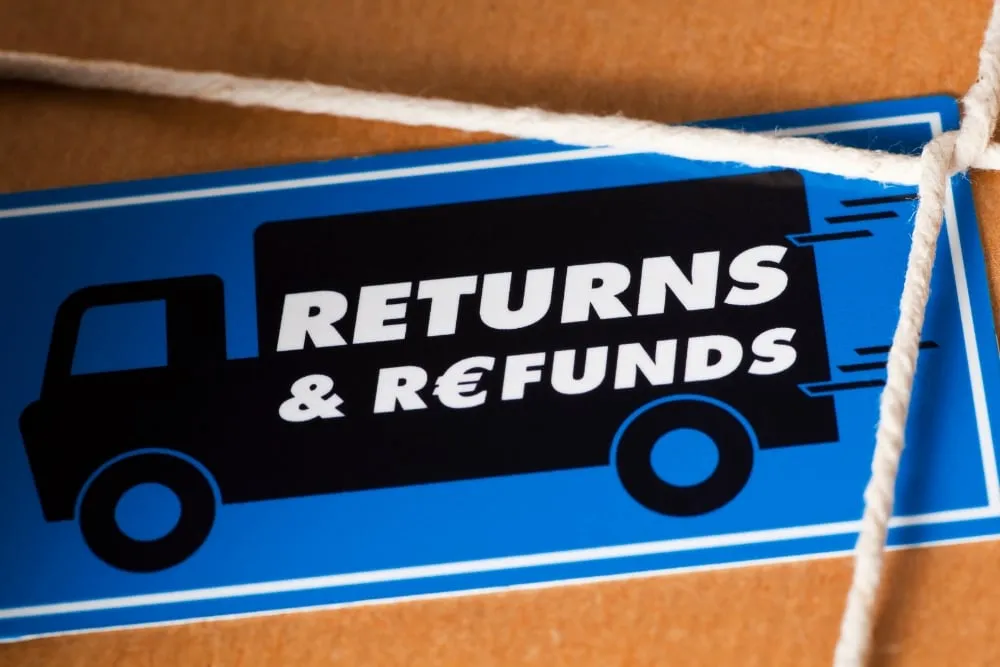
The Volume of Returns
Increasing Return Rates
With the convenience of online shopping comes the expectation of easy returns. Consumers are more likely to purchase items with the intention of returning them if they don’t meet their expectations. This has led to a significant increase in return rates, putting additional pressure on transportation operations. Managing these returns efficiently is crucial to maintaining profitability and customer satisfaction.
Complex Logistics
Handling returns is often more complex than the initial delivery. Returned items need to be collected, inspected, processed, and restocked or disposed of, requiring a well-coordinated logistics network. This complexity can strain transportation resources, increase costs, and affect the overall efficiency of operations.
Impact on Transportation Resources
Fleet Management
E-commerce returns demand flexible and responsive fleet management. Transport companies must allocate vehicles and drivers to handle reverse logistics, which can disrupt regular delivery schedules. Efficient fleet management systems and real-time tracking can help optimise routes and ensure timely pick-ups and deliveries.
Warehouse Space
Returns take up valuable warehouse space, often requiring dedicated areas for sorting and processing. This can lead to increased storage costs and necessitate better warehouse management practices. Effective use of technology and streamlined processes can help manage space more efficiently.
Environmental Considerations
Carbon Footprint
The additional trips required for returns contribute to increased fuel consumption and carbon emissions. Transport companies need to consider the environmental impact of their operations and explore ways to reduce their carbon footprint. Implementing eco-friendly practices, such as using electric vehicles and optimising routes, can help mitigate these effects.
Sustainable Practices
Encouraging sustainable practices among consumers, such as consolidating returns and choosing eco-friendly packaging, can also reduce the environmental impact. Partnering with retailers to promote these practices can benefit both the environment and the bottom line.
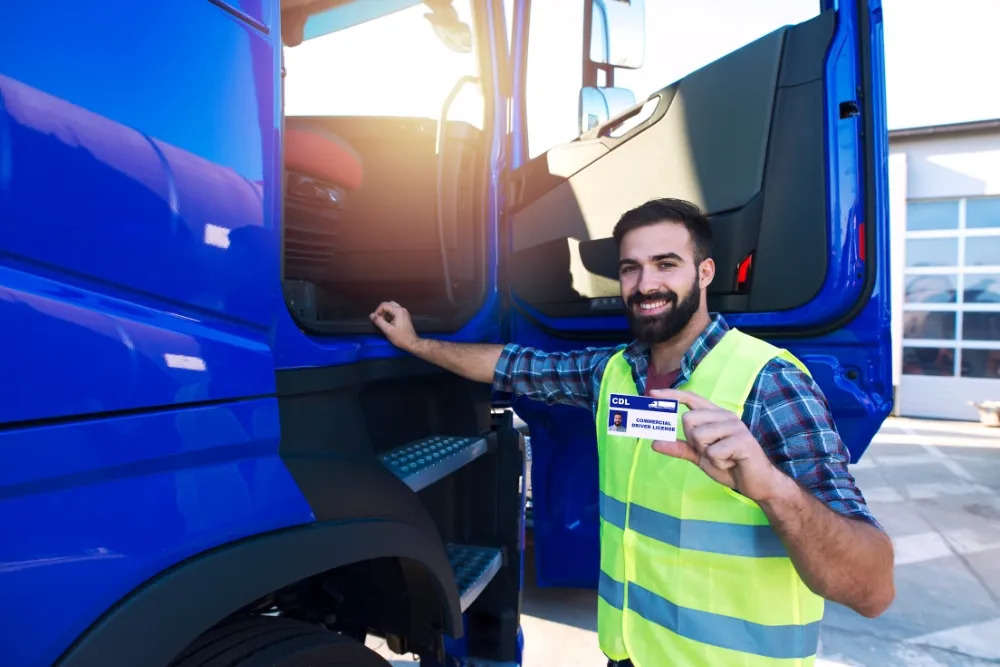
Driver Training Programs
Importance of Training
Drivers play a crucial role in managing e-commerce returns efficiently. Comprehensive training programs can equip drivers with the skills needed to handle returns professionally and efficiently. Training should cover customer service, handling of returned goods, and adherence to safety protocols.
Enhancing Efficiency
Well-trained drivers can improve the efficiency of returns processing, reducing the time and costs associated with reverse logistics. By providing drivers with the necessary tools and knowledge, transport companies can ensure a smoother and more effective returns process.
Technological Solutions
Advanced Tracking Systems
Implementing advanced tracking systems can enhance the visibility and management of returns. Real-time tracking allows for better coordination and quicker response times, improving the overall efficiency of transportation operations.
Automation and AI
Leveraging automation and artificial intelligence (AI) can streamline the returns process. Automated sorting systems and AI-driven analytics can help optimise routes, predict return patterns, and manage inventory more effectively.
Turning Challenges into Opportunities
Adapting to the Future of E-commerce
E-commerce returns present significant challenges to transportation operations, but they also offer opportunities for improvement and innovation. By investing in technology, enhancing driver training programs, and adopting sustainable practices, transport companies can turn these challenges into opportunities for growth. Embracing these strategies will not only improve efficiency but also enhance customer satisfaction and environmental sustainability.