
The Role of Artificial Intelligence in Intelligent Transportation System
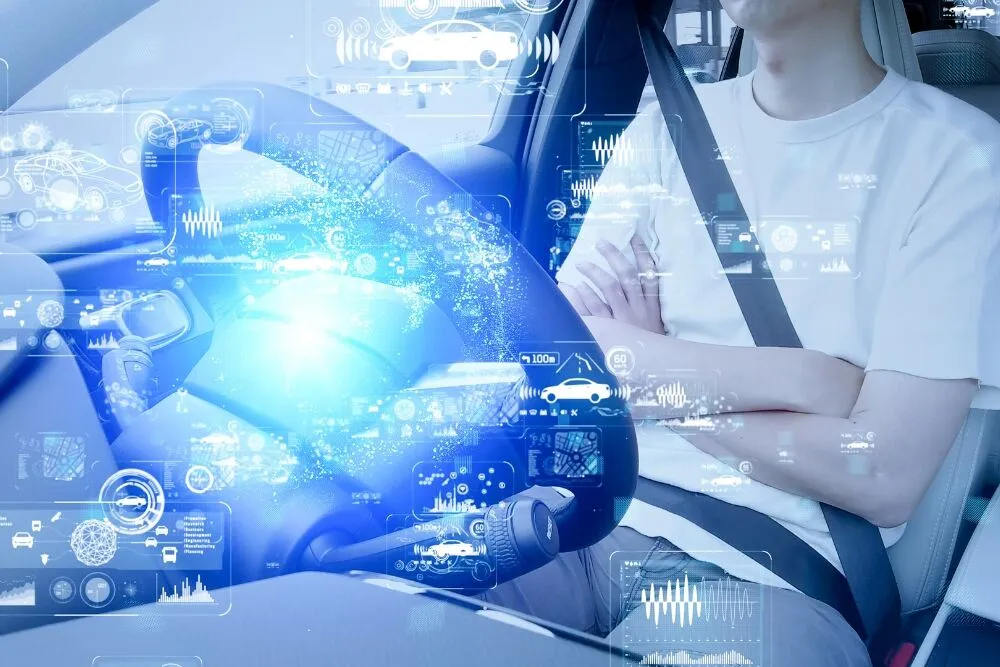
Artificial intelligence is changing the way transport networks work across Australia and across the globe. From how trucks move through cities to how freight is tracked from depot to delivery, AI gives operators more visibility, more safety and less wasted time. Intelligent Transportation Systems, or ITS, use AI tools to improve flow, reduce delays and support transport staff in making better decisions.
This shift is not only happening in large capital cities. Regional transport networks and growing hubs are also turning to AI to improve day to day movement. If you work in transport, freight, logistics or supply chain coordination, understanding how AI fits into ITS helps you stay ahead of the changes that are already shaping the industry.
Below is a detailed look at how AI strengthens Intelligent Transportation Systems and how transport operations benefit from clearer data, smarter routing and safer processes.
What AI Brings to Intelligent Transportation Systems
Artificial intelligence helps ITS process large amounts of data and turn it into something useful. This includes traffic flow figures, GPS positions, driver behaviour data, weather conditions, road hazards and freight movements. Instead of relying on manual reports or slow updates, AI systems read what is happening in real time.
This helps operators fix problems before they create bigger delays. For example, AI can detect slowdown on a highway and suggest alternate routes for freight vehicles. It can also help dispatch teams adjust schedules when conditions shift suddenly.
AI can also identify patterns that humans do not always see. This improves planning and long-term strategies for transport businesses that want smoother operations and better cost control.
How AI Improves Traffic and Freight Flow
Intelligent Transportation Systems use AI to help reduce congestion on main roads and freight corridors. By reading traffic data every few seconds, AI predicts heavy flow long before it reaches a standstill. It then helps traffic signal systems adjust timing to ease pressure on affected areas.
For freight operations, this means more reliable travel times. Businesses can plan deliveries with fewer interruptions and avoid unnecessary fuel burn caused by stop and start traffic. Over time, these improvements can help reduce operating costs and improve customer satisfaction for transport providers.
AI also helps reduce the risk of heavy vehicle bottlenecks at warehouses, ports and distribution centres. It predicts peak arrival times, allowing staff to prepare for unloading, sorting and dispatch before the rush begins.
AI Tools Used in Modern Transport Networks
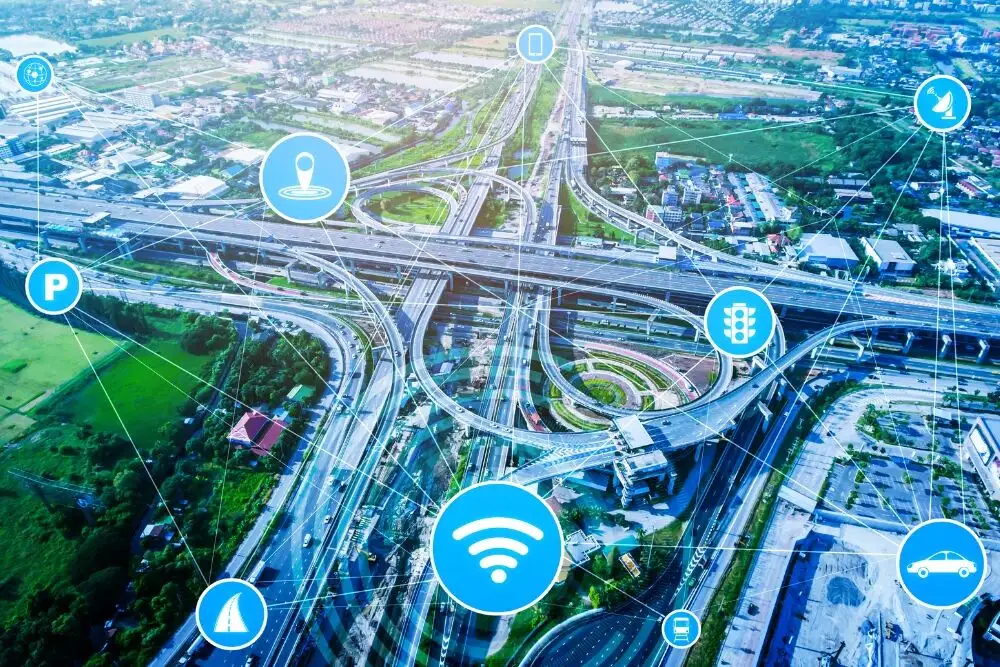
Transport systems use a mix of AI tools to support efficient movement. Some of the most common include:
Predictive analytics: This tool identifies future delays, peak periods, safety risks or vehicle requirements based on past data.
Machine learning routing: AI studies live road conditions, roadwork updates, weather and freight type to suggest the best route for each trip.
Autonomous monitoring: Sensors and cameras work with AI to detect hazards, road blockages or unsafe driving patterns.
Smart scheduling: Transport operators can automate parts of their scheduling process, reducing manual work and improving accuracy.
Incident detection: AI systems can identify incidents faster than traditional reporting, which leads to quicker response times and fewer flow disruptions.
Safer Transport Through AI
Safety is one of the biggest benefits of AI in Intelligent Transportation Systems. AI tools monitor driver behaviour, speed, lane movement and fatigue cues. When unusual patterns appear, operators can act before an incident occurs.
AI also helps manage risk on fast changing roads. For example, if a sudden weather shift creates low visibility, AI can alert drivers or adjust routes. If there is a crash on a major highway, AI can suggest new paths and notify fleet managers immediately.
In addition, AI supported cameras can spot hazards earlier than the human eye. This keeps both drivers and other road users safer during peak transport hours.
How Transport Businesses Benefit
Transport companies using AI supported ITS notice improvements across many parts of their operations. These include:
Better efficiency: AI reduces wasted time on manual tasks and improves routing accuracy.
More reliable delivery times: Real time adjustments mean fewer unexpected delays.
Lower costs: Fuel use, maintenance and administration hours may decrease through smarter planning.
Improved safety: Fewer incidents and clearer monitoring help protect drivers and assets.
Stronger coordination: Dispatch teams get the information they need faster, which helps them make consistent decisions.
For businesses that move freight across cities or between regional hubs, these advantages support long term growth and stronger customer relationships.
The Future of AI in Transport
AI in transport is still growing. In the coming years, transport operators can expect more advanced systems that automate bigger parts of daily tasks, from warehouse coordination to route planning. Driver assistance technology will continue to improve and may help reduce fatigue related issues across long haul routes.
Data sharing between different transport sectors will also become more common. When ports, depots, highways and rail networks work with the same AI supported systems, movement becomes smoother across the entire supply chain.
This growth will create new jobs and new skills across the industry. Operators, planners, drivers and coordinators will all work with AI tools that simplify tasks while improving productivity.
Artificial intelligence is strengthening Intelligent Transportation Systems by making transport safer, faster and more predictable. With real time data, smarter routing and automated safety checks, AI supports the transport industry in managing the growing demand for reliable movement. As these tools continue to improve, Australian transport businesses will see even greater benefits.
FAQ
What is AI used for in transport?
AI improves routing, monitors safety and reads road conditions in real time.
Does AI help reduce traffic?
Yes, it predicts slowdowns and adjusts flows, so roads stay smoother.
Is AI safe for transport operations?
AI supports safer decisions by spotting risks earlier than manual monitoring.
Can small transport businesses use AI?
Yes, many tools now have simple systems suited for small fleets.
How does AI help drivers?
It gives alerts, safer routing and clear updates during changing conditions.