
The Role of Blockchain in Streamlining Transportation Processes
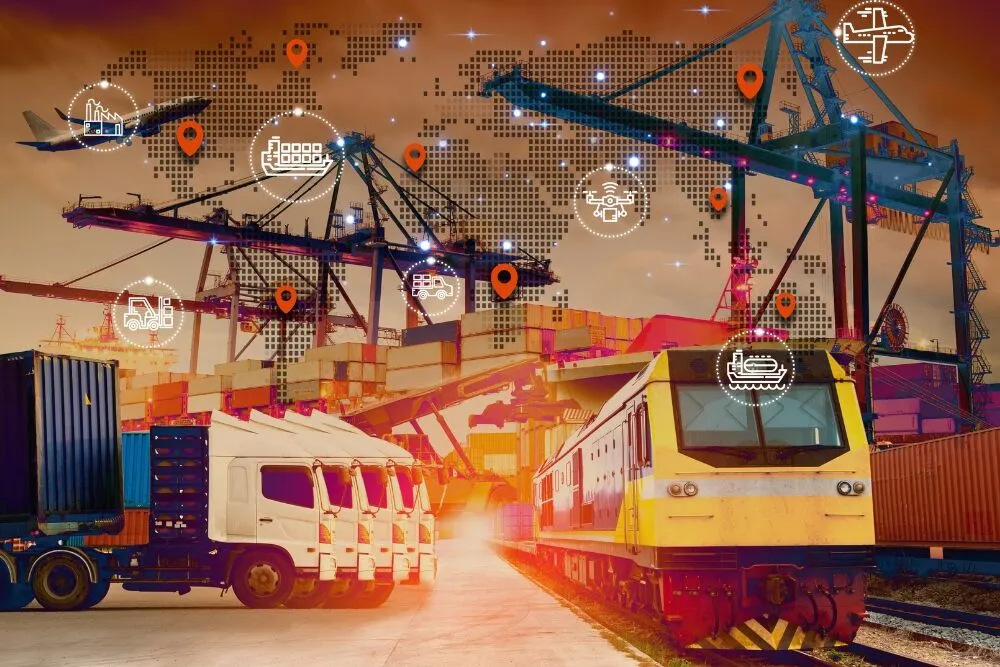
The transportation and logistics sector is under more pressure than ever to move faster, cut costs, and keep every stakeholder in the loop. As global supply chains grow in complexity, the industry is turning to digital solutions that can genuinely shift the dial. Blockchain technology has emerged as one of the most promising of these, not because of its association with cryptocurrency, but because of what it does at its core: create a secure, shared, and tamper-proof record of every transaction across a network. Understanding how this technology applies to transportation is quickly becoming essential reading for anyone in the industry.
What Blockchain Actually Does in a Transport Context
At its most basic, blockchain is a decentralised digital ledger that records transactions across multiple computers simultaneously. Each entry, or “block”, is linked to the one before it, forming an unbreakable chain. No single party controls it, and once data is recorded, it cannot be altered or deleted.
For transportation, this matters enormously. A typical refrigerated shipment can pass through more than 30 different organisations and require upward of 200 separate communications before it reaches its destination. Any one of those handoffs is a potential point of failure: a missed update, a falsified document, or a delayed payment. Blockchain addresses all of these at once by giving every participant in the chain access to the same verified, real-time data.
This isn’t a theoretical benefit. It’s a structural shift in how information flows through complex, multi-stakeholder logistics environments.
Cutting Through the Paperwork Problem
One of the longest-standing frustrations in transport and freight is the sheer volume of documentation involved. Bills of lading, customs declarations, invoices, proof of delivery: the list goes on. Processing and administration costs have climbed to as high as 20% of transportation’s overall costs, driven largely by this reliance on paper-based systems.
Blockchain, combined with smart contracts, offers a direct solution. These are self-executing agreements where the terms are written directly into code. When a pre-agreed condition is met, say, a delivery is confirmed, the contract executes automatically. Payments are released, records are updated, and compliance checks are logged, all without manual intervention.
This kind of automation doesn’t just save time. It removes the human error that comes with manually processing hundreds of documents across time zones, languages, and regulatory environments. Singapore’s TradeNet system is a real-world example: a blockchain-backed customs platform that has significantly cut the time and cost of managing import and export declarations.
Real-Time Visibility Across the Supply Chain
Traditional tracking systems struggle to keep pace with today’s expectations. Consumers and businesses alike want to know where their goods are at every moment: not just when something goes wrong.
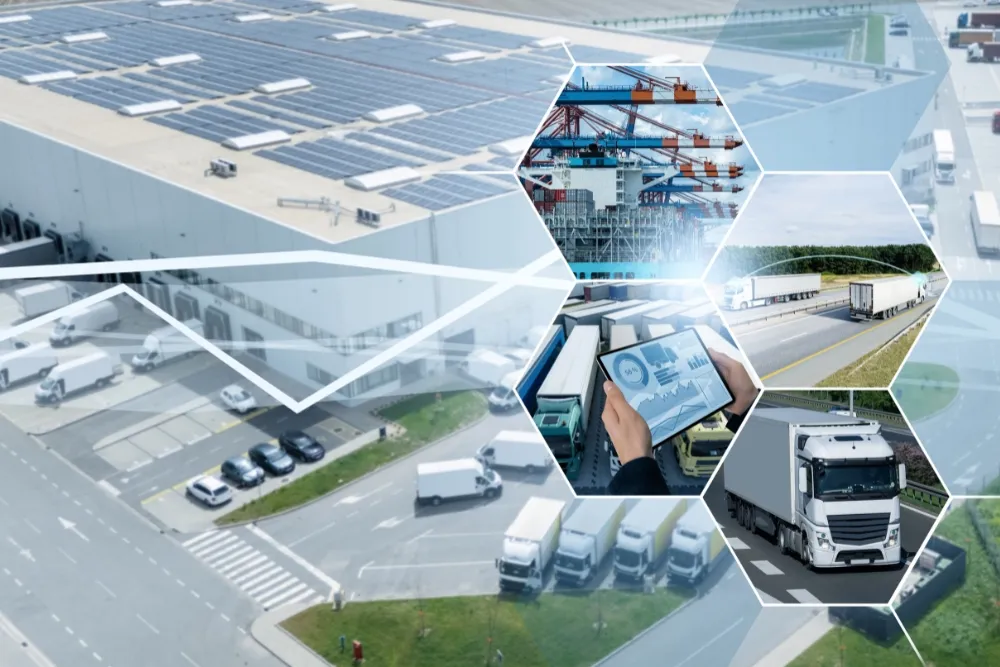
Blockchain’s strength here comes from its integration with Internet of Things (IoT) devices. Sensors attached to freight can continuously capture data on location, temperature, humidity, and handling conditions. That data gets recorded on the blockchain in real time, creating a live, supply chain transparency record that every authorised party can see.
For temperature-sensitive goods, pharmaceuticals, fresh produce, medical devices, this is particularly critical. Currently, around 8.5% of sensitive pharmaceutical shipments experience temperature deviations that prevent them from clearing customs. With blockchain-enabled monitoring, deviations are flagged the moment they occur, giving logistics teams the chance to respond before damage is done.
The same visibility benefits apply to customs clearance, where blockchain can validate and share documentation with authorities in real time, reducing hold-ups and speeding up the movement of goods across borders.
Tackling Fraud and Payment Disputes
Fraud and slow payments are two of the most persistent financial headaches in transportation. Every day, an estimated $140 billion is tied up in payment disputes across the industry. The average invoice takes 42 days to be settled: a cash flow burden that hits freight carriers and smaller operators hardest.
Blockchain’s immutable ledger makes it far harder for fraudulent activity to go undetected. Because every transaction is recorded and cannot be changed, falsifying load information, manipulating delivery records, or introducing counterfeit goods into a supply chain becomes significantly more difficult.
On the payments side, real-time tracking data fed into smart contracts means payments can be triggered automatically upon confirmed delivery, without waiting on manual approvals or third-party verification. Blockchain-based payment systems are also faster and more cost-effective for cross-border transactions, where traditional bank transfers often involve delays, exchange rate risks, and intermediary fees.
Maersk’s work with blockchain for cargo movement across international borders is a well-known example of this in practice: the technology has been credited with reducing errors and improving delivery times while strengthening fraud detection.
Overcoming the Challenges of Adoption
For all its promise, blockchain adoption in transportation isn’t without hurdles. Implementation costs can be significant, particularly for smaller operators who may need to invest in new infrastructure, staff training, and system integration before seeing any return.
Interoperability is another genuine concern. The logistics industry relies on a wide range of legacy systems, and getting multiple platforms to communicate with a blockchain network requires careful planning and, often, industry-wide standardisation efforts. Organisations like the Blockchain in Transport Alliance (BiTA) are working to address this: their members account for around 85% of all truck-related transactions in the United States, and standardisation across that base would be a genuine game-changer.
Data privacy also requires attention. Storing sensitive commercial information on a shared ledger raises legitimate questions about who can see what, and under what conditions. Private and hybrid blockchain models, where access levels are controlled, are helping to address this, particularly for enterprises that handle confidential financial or operational data.

The Road Ahead for Blockchain in Transport
The numbers tell a clear story about where this technology is heading. The global logistics blockchain market is projected to grow from around $2.4 billion in 2024 to over $95 billion by 2034: a compound annual growth rate of around 44.5%. The integration of artificial intelligence with blockchain is adding another layer of capability, enabling predictive analytics that can forecast demand, optimise inventory levels, and flag potential supply chain disruptions before they occur.
Block-as-a-Service (BaaS) providers, including IBM, Oracle, Microsoft, and Amazon, are making it easier for transport businesses to access blockchain capabilities without needing deep in-house technical expertise. This is broadening the technology’s reach beyond large multinationals to mid-sized operators who stand to benefit just as much.
The direction is clear: blockchain isn’t a passing trend in transportation. It’s becoming part of the operational backbone of modern logistics.
Looking Forward
The transportation industry has always been shaped by those willing to adopt new ways of working before the rest of the market catches up. Blockchain offers a genuine competitive advantage, in efficiency, in transparency, in fraud prevention, and in the speed of settlement, for businesses ready to invest in it now.
Logistics Industry News covers the ongoing transformation of the transport and supply chain sector, tracking how technologies like blockchain are being applied in practice by operators around the world.
As the technology matures and adoption widens, those who’ve built the capability early will find themselves well-placed to lead. The question for most transport businesses isn’t whether blockchain will affect their operations: it’s whether they’ll be ahead of it or catching up.
FAQs
What is blockchain technology in the context of transportation?
It’s a decentralised digital ledger that records every transaction across a network of computers, giving all parties in a supply chain access to the same verified, tamper-proof data in real time.
How does blockchain reduce paperwork in logistics?
By using smart contracts, self-executing agreements coded into the blockchain, many processes like customs documentation, compliance checks, and invoice approvals can be automated, cutting manual handling significantly.
Can blockchain help prevent freight fraud?
Yes. Because data recorded on a blockchain cannot be altered or deleted, it becomes much harder to falsify delivery records, manipulate shipment information, or introduce counterfeit goods into a supply chain.
How does blockchain improve payment times in transportation?
Smart contracts can automatically release payments once a delivery is confirmed, removing the need for manual approvals and significantly reducing the 42-day average invoice settlement period common in the industry.
What are the main challenges of adopting blockchain in transport?
The key hurdles are upfront implementation costs, integrating with existing legacy systems, ensuring interoperability across platforms, and managing data privacy on shared ledgers.
Is blockchain suitable for small and mid-sized transport businesses?
Increasingly, yes. Block-as-a-Service (BaaS) providers like IBM, Oracle, and Microsoft are making blockchain accessible without requiring deep in-house technical expertise, lowering the barrier to entry for smaller operators.