The Significance of Reverse Logistics in the Transportation Industry
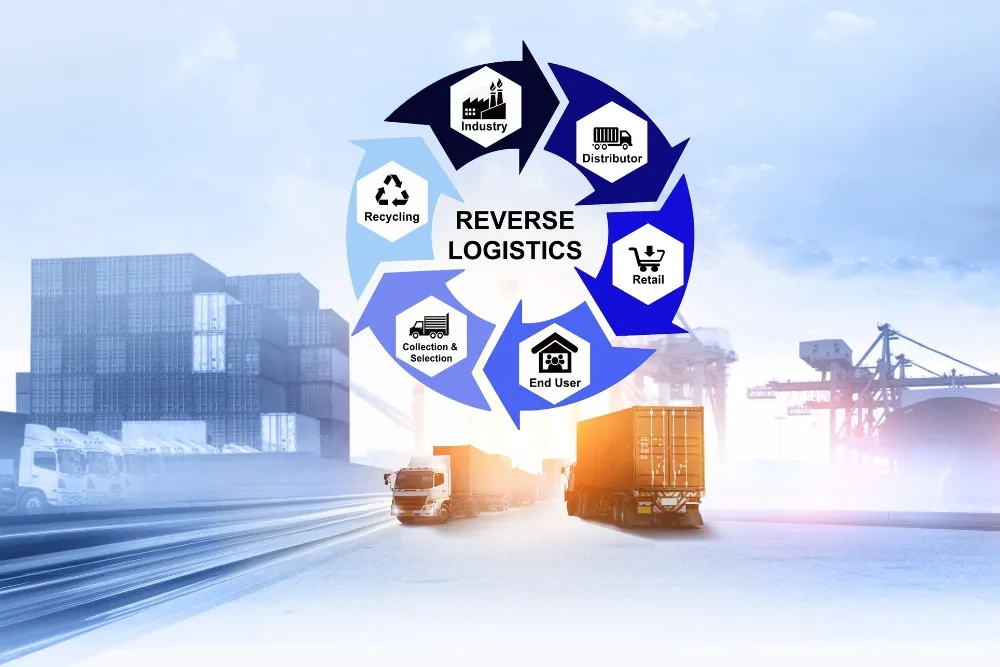
Reverse logistics has become a major talking point for transport operators, manufacturers and retailers. More goods are being returned, repaired, recycled and redirected than ever before. With the rise of online shopping and growing pressure to cut waste, businesses now need transport systems that move products forward and back in a structured way.
If you operate in freight, delivery, warehousing or supply chain planning, understanding reverse logistics helps you reduce costs, improve customer satisfaction and prevent unnecessary stock from ending up in landfill.
This guide breaks down what reverse logistics involves, why it matters, and how transport businesses can get ahead.
What Reverse Logistics Means
Reverse logistics covers everything that happens when a product moves back through the supply chain instead of forward. It may be a return, a repair job, a recycling project or simply unsold inventory being shifted to another location.
Instead of items travelling from the manufacturer to the consumer, the direction changes. Transport companies then step in to collect, sort, process or redistribute these goods in a way that saves time and money.
Common examples include:
- Customer returns
- Warranty repairs
- Products recalls
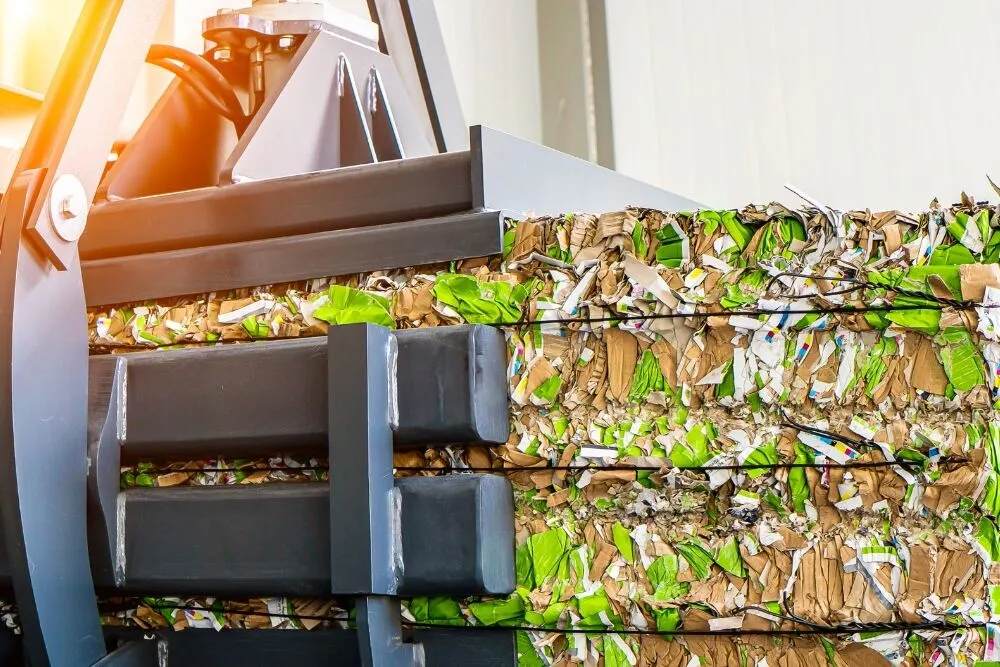
- Recycling programs
- Refurbishment
- Repacking and reselling
- Redistribution of unsold stock
Even small businesses now rely on reverse logistics, mainly because customers expect easy returns and environmentally friendly options.
Why Reverse Logistics Matters for Transport Operators
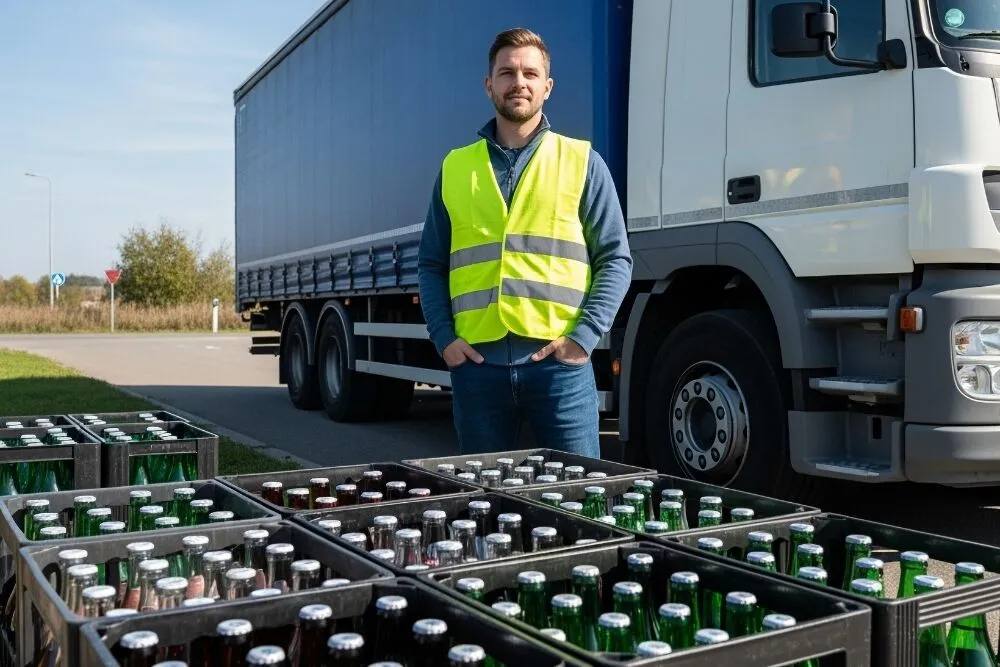
Transport businesses feel the impact of reverse logistics more than most. Every return, recall or recycling job needs trucks, drivers, storage, tracking systems and efficient processes. When done well, it helps the industry run smoother. When done poorly, it puts stress on resources, adds unnecessary costs and can slow down daily operations.
Helps reduce operational cost
Returns and recalls often feel like a financial setback, but structured reverse logistics can lower costs. When you have clear systems, drivers can complete more pickups in a single run, warehouses avoid clutter, and outdated or damaged goods move through faster.
Transport companies also save on fuel and labour when routes are planned to handle forward and reverse loads in the same trip.
Better customer satisfaction
Customers want returns to be quick and painless. If they wait weeks for a pickup or refund, they lose confidence in the brand. Smooth reverse logistics gives them a better experience, which flows back to the transport partners supporting those businesses.
Strong environmental impact
More transport and freight companies are working to cut waste. Reverse logistics supports this by:
- Reducing landfill waste
- Encouraging refurbishment over replacement
- Supporting recycling programs
- Minimising the number of trips goods take
- This leads to a cleaner and more responsible supply chain.
How Technology Improves Reverse Logistics
Modern transport systems rely heavily on technology to track goods that travel backwards. These tools help drivers, warehouses and managers stay aligned.
Real time tracking
GPS systems and tracking platforms give businesses visibility of every pickup and return. This helps reduce lost items and improves communication with customers waiting for refunds or replacements.
Automated route planning
Software calculates the shortest and most efficient paths for drivers. It also helps combine forward deliveries with reverse pickups, so trucks do return empty.
Digital return labels
Many retailers now offer QR codes or digital barcodes customers can show at the door. Drivers scan them on arrival, and the item enters the system immediately. This cuts paperwork and speeds up the refund process.
Inventory management systems
When products return to a warehouse, staff need updated stock data. Inventory software helps sort items into categories such as rescale, repair, recycle or discard. This avoids clutter and improves processing time.
What Transport Businesses Need for Effective Reverse Logistics
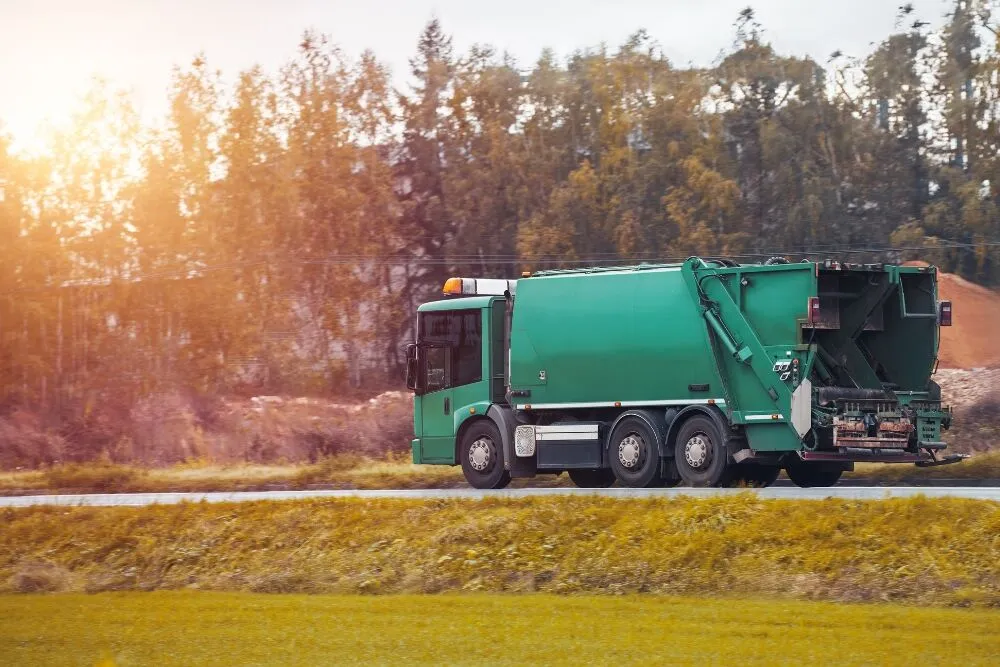
Making reverse logistics work requires planning, structure and solid communication. This includes:
Dedicated return process
Transportation companies should have clear instructions for drivers, admin staff and warehouse teams. This keeps return pickups consistent and avoids delays.
Skilled staff
Teams need to know how to identify damaged goods, check paperwork, manage recyclable items and record everything accurately.
Strong partnership
Reverse logistics relies on collaboration between retailers, manufacturers, repair centres, recyclers and transport providers. The better these relationships are, the easier the process becomes.
Clear data
Reports help businesses understand why returns occur, how often they happen, and the costs of managing them. This allows managers to make decisions that reduce future issues.
Common Challenges Transport Operators Face
Even with the best planning, transport companies still deal with common issues such as:
- High volume of peak season returns
- Inconsistent return quality
- Limited warehouse space
- Miscommunication between retailers and couriers
- High fuel usage for multiple pickup attempts
- Unpredictable customer availability
These issues often lead to delays and increased costs. This is why structured systems and updated technology are becoming more important across the industry.
The Future of Reverse Logistics
The transportation sector will likely see a stronger push toward returns automation, more recycling partnerships and greater focus on sustainability. Customers will continue to demand flexible return options, so businesses will need transport operators who can adapt quickly.
Reverse logistics will shape the way companies manage waste, stock and customer care. Transport businesses that act early will be better positioned to support retailers and manufacturers moving forward.
Frequently asked questions
Why does reverse logistics matter for transport businesses?
It affects fuel use, route planning, customer satisfaction and warehouse management. Having solid processes helps reduce costs and speed up workflows.
How does reverse logistics affect customers?
Customers get quicker refunds, easier pickup options and a smoother return experience.
What industries rely on reverse logistics?
Retail, manufacturing, electronics, automotive, freight and recycling industries all depend on it to manage returns, repairs or stock redistribution.
Does reverse logistics help with sustainability?
Yes. It helps reduce landfill waste, supports recycling and encourages refurbishment instead of disposal.
What tools make reverse logistics easier?
GPS tracking, route planning tools, digital labels and inventory software help transport companies manage returns more efficiently.